UK dogs walk an average of twice daily — and for roughly eight months of the year, those walks end with muddy paws on the doorstep. But the problem isn't just cosmetic. The RSPCA warns that road salt and chemical de-icers cause painful cracking and chemical burns on paw pads during winter, while the PDSA identifies stagnant puddles and contaminated mud as a primary transmission route for leptospirosis — a bacterial infection that damages the liver and kidneys and can be fatal. Every muddy walk deposits a cocktail of bacteria, chemicals, and sharp debris into the spaces between your dog's toes.
The traditional response — an old towel by the front door — doesn't solve this. Towels push dirt deeper between the paw pads, fail to remove dissolved chemicals like road salt, and create a stressful wrestling match that makes most dogs dread coming home. A dedicated dog paw cleaner uses water and gentle silicone bristles to flush contaminants from deep between the pads in under 30 seconds — genuinely cleaning the paw rather than smearing mud around the surface.
In this complete guide, we'll explain exactly what's hiding in UK street mud and why it matters, why towels are structurally ineffective as a cleaning method, the 7 most effective strategies for managing muddy paws, and the full post-walk paw inspection routine that catches minor issues before they become expensive veterinary emergencies.
Table of Contents
- The Hidden Dangers of Muddy Dog Paws
- Why Wet Towels Are Failing You
- 7 Proven Ways to Manage Muddy Paws
- Post-Walk Paw Care & Inspection Routine
- Paw Cleaner vs Towel — Full Comparison & ROI
- When Paw Problems Signal a Vet Visit
- Frequently Asked Questions
The Hidden Dangers of Muddy Dog Paws
When your dog walks through mud, puddles, or wet grass, they're not just picking up soil. UK street and park environments contain biological and chemical hazards that can cause genuine harm if left on the paws — particularly because dogs instinctively lick and groom their feet after walks.
Road Salt and Chemical De-Icers (Winter)
During colder months, UK pavements are treated with rock salt, grit, and chemical de-icing agents. The RSPCA warns that prolonged contact with road salt causes severe drying, cracking, and chemical burns on paw pads. Rock salt is also a desiccant — it actively draws moisture out of the skin, leading to painful fissures. Worse, if your dog licks salt residue from their paws, ingestion can cause vomiting, diarrhoea, and in large quantities, kidney damage. Antifreeze puddles in car parks are even more dangerous — ethylene glycol is highly toxic and often fatal even in small amounts.
Bacteria and Parasites
Stagnant puddles and mud — particularly in areas frequented by wildlife and rodents — can harbour leptospirosis bacteria, giardia, and microscopic parasites. Leptospirosis is transmitted through contaminated water and soil, primarily from rat urine, and can cause life-threatening liver and kidney damage. When your dog walks through contaminated mud and then grooms their paws, they ingest these pathogens directly. While vaccination provides significant protection, washing paws after walks adds a practical layer of prevention.
Hidden Grass Seeds and Thorns
Concealed inside clumps of mud are sharp grass seeds (particularly barley grass awns), thorns, and small pieces of glass or grit. If mud dries and hardens between the toes, these sharp objects can pierce the skin and migrate deeper into the tissue — leading to painful interdigital abscesses that the Blue Cross identifies as one of the most common summer veterinary presentations. Early removal during post-walk paw cleaning prevents the vast majority of these cases. For a complete breakdown of seasonal paw dangers including hot pavement, road salt, and grass seeds, see our seasonal paw care guide.
Why Wet Towels Are Failing You
The old towel by the front door is the default approach for most UK dog owners — but it's structurally incapable of properly cleaning a dog's paw:
- Surface wiping only: Towels push dirt deeper between the toes and into the fur rather than extracting it. The paw looks cleaner on top, but trapped mud drops onto carpets hours later as it dries and flakes
- Ineffective against dissolved chemicals: Road salt dissolves into an invisible film on the paw pad. Wiping with a towel does not dilute or flush it away — only rinsing with water achieves this
- Stressful for dogs: The rough pulling, squeezing, and restraining involved in towel-wiping causes genuine stress for most dogs. Over time, many develop paw-touch aversion that makes grooming, nail trimming, and veterinary examination significantly harder
- Hygiene problem: A damp towel stored by the front door between uses becomes a bacterial breeding ground itself — you may be adding bacteria to paws rather than removing it
To genuinely clean a paw, you need water and gentle mechanical agitation to physically lift contaminants away from the skin and fur. This is why a water-based paw cleaner with soft bristles is fundamentally more effective than any dry or damp wiping method.
7 Proven Ways to Manage Muddy Paws
The following strategies are ranked by effectiveness — from the single highest-impact solution to supporting habits that complement it:
#1: Portable Dog Paw Cleaner Cup (Highest Impact)
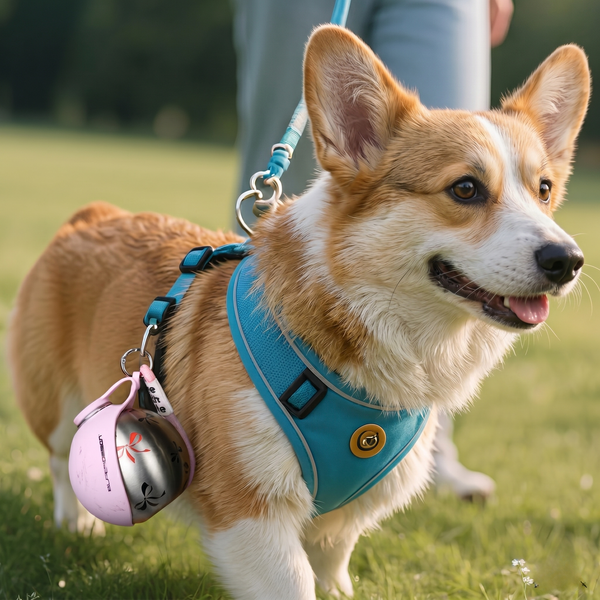
A paw cleaner cup shrinks the mess of a full paw bath into a portable, 30-second solution. Soft silicone bristles reach deep between the paw pads — the exact areas where towels can't access — while water flushes away mud, salt, bacteria, and debris. Fill with lukewarm water, insert the paw, twist gently 3–5 times, remove, pat dry. The mud stays in the cup, not on your floor.
The CozyPaws™ Portable Paw Cleaner features food-grade BPA-free silicone bristles, a spill-proof lid, dishwasher-safe construction, and three sizes to fit every breed from Chihuahuas to Great Danes.
Pro Tip: Keep one by your front door and a second in the boot of your car. Post-walk cleaning in the car park before your dog enters the vehicle saves your car interior and means they arrive home with clean paws already.
#2: Trim Paw Pad Hair Regularly
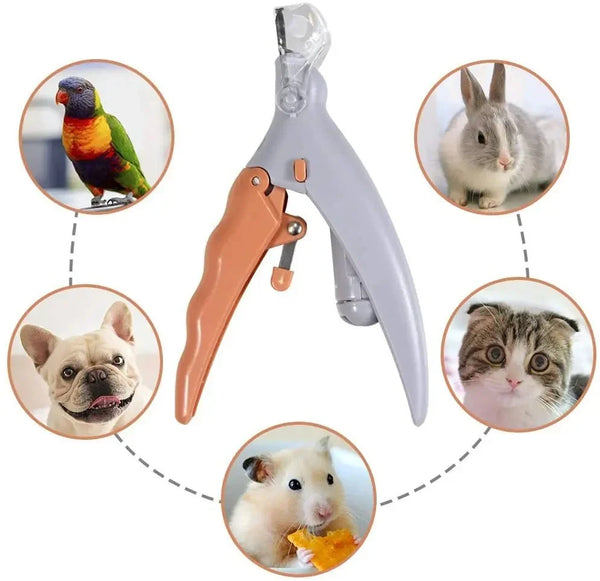
Long hair between the paw pads acts like a sponge — soaking up mud, trapping debris, and making drying time significantly longer. Use a quiet, precise tool like the CozyPaws™ LED Pet Nail Clipper or a dedicated paw trimmer to keep interdigital hair short. Trimmed paws pick up less mud, dry faster, and are far easier to clean with a paw cleaner cup. Trim every 2–3 weeks during muddy months.
#3: Super-Absorbent Microfibre Door Mat
Replace your standard doormat with a deep-pile microfibre "noodle" mat — these mats absorb significantly more moisture than flat mats and trap surface-level dirt on contact. Train your dog to "wait" on the mat for 30 seconds when entering. While not a substitute for paw cleaning, a good mat catches the residual moisture that paw cleaning misses and protects the first few metres of flooring.
#4: Apply Paw Balm Before Winter Walks
A thin layer of natural paw wax or balm applied before a walk creates a hydrophobic barrier on the paw pads. Mud and salt don't adhere as easily, and the balm protects pad skin from the drying effects of cold air and chemical de-icers. The CozyPaws™ Dog Paw Balm Stick applies in seconds and provides a protective coating that lasts the duration of a standard walk. Reapply after cleaning for overnight pad recovery.
#5: Train the "Paw" Command
Invest 5–10 minutes daily in training your dog to offer each paw on command while sitting still. Use high-value treats and consistent verbal cues. A dog that willingly offers each paw in sequence makes the 30-second cleaning process effortless — no wrestling, no stress, no chasing around the hallway. Most dogs master this within 1–2 weeks of consistent practice. For treat delivery, a CozyPaws™ Lick Mat loaded with peanut butter and placed on the floor during paw cleaning keeps the dog occupied and stationary.
#6: Warm Water Only (Skip Daily Soap)
Unless your dog has stepped in something genuinely toxic (antifreeze, fox faeces, chemical spill), plain lukewarm water in the paw cleaner is sufficient for daily use. The PDSA advises against daily use of shampoo on paws — it strips the natural protective oils from paw pad skin, leading to dryness, cracking, and increased vulnerability to infection. Save soap for genuinely contaminated situations.
#7: Route Management on Heavy Rain Days
On days of torrential rain, skip the muddy woodland trails and stick to paved residential routes. A 30-minute pavement walk produces a fraction of the paw contamination that 15 minutes on a muddy footpath creates — saving 10+ minutes of post-walk cleanup while still providing adequate exercise and outdoor stimulation. For the complete guide to managing walks in wet weather — including gear, breeds that handle rain, training rain-reluctant dogs, and the full post-walk drying protocol — see our wet weather walking guide.
Shop the CozyPaws™ Paw Cleaner →
Post-Walk Paw Care & Inspection Routine
While cleaning each paw, take 5 extra seconds to inspect. This routine catches minor issues before they escalate into painful and expensive veterinary problems:
| Check | What to Look For | Action If Found |
|---|---|---|
| Nails | Cracked, split, or overly long (clicking on floors = too long) | Trim with LED nail clipper; see vet for splits |
| Between toes | Redness, swelling, ticks, grass seeds, glass, thorns | Remove debris with tweezers; see vet for embedded objects |
| Paw pads | Cracks, cuts, bleeding, peeling, roughness beyond normal | Apply paw balm; see vet for deep cuts |
| Smell | Strong yeasty or foul odour (indicates fungal or bacterial infection) | Vet visit — likely requires medicated wash or antibiotics |
| Behaviour | Limping, licking one paw obsessively, reluctance to walk | Inspect carefully for hidden injury; vet if persistent |
Pro Tip: Take a phone photo of your dog's healthy paw pads as a baseline reference. When you suspect a problem, comparing current pads to the baseline makes changes much easier to identify — especially subtle redness or swelling that develops gradually.
Paw Cleaner vs Towel — Full Comparison & ROI
| Factor | Old Wet Towel | CozyPaws™ Paw Cleaner |
|---|---|---|
| Deep cleaning | Surface only — misses between toes | 360° bristles reach all pad surfaces |
| Time per dog | 5–10 min of struggling | Under 30 seconds all 4 paws |
| Pet comfort | Rough, pulls fur, stressful | Gentle silicone massage — dogs tolerate or enjoy |
| Mess containment | Water splashes, mud transfers to towel and hands | Mud stays sealed in the cup |
| Chemical removal | Ineffective — smears salt, doesn't flush | Water flushes salt and de-icers completely |
| Debris detection | Hidden objects remain trapped in mud | Water loosens debris, bristles dislodge seeds and grit |
| Portability | Bulky, wet, smells after one use | Compact, spill-proof, fits in car boot or backpack |
| Hygiene | Damp towel breeds bacteria between uses | Rinse, air dry, dishwasher-safe weekly |
The Cost of Mud Over Time
Towel approach: Professional carpet cleaning from tracked-in mud (£80–£150/year) + car valeting (£50–£100/year) + vet bills for salt burns, interdigital abscesses, or grass seed removal (£100–£400+ per incident) = £230–£650+/year.
CozyPaws™ Paw Cleaner: One-time purchase from £14.99, lasts 2–3 years with proper care. Eliminates tracked mud at the door, flushes road salt before it causes pad damage, and dislodges grass seeds before they embed. Pays for itself after a single prevented vet visit or carpet clean.
When Paw Problems Signal a Vet Visit
Your post-walk inspection routine will catch most issues early. However, see a vet promptly if you notice:
- ✅ Persistent limping — lasting more than 24 hours after a walk
- ✅ Swelling between the toes — may indicate an embedded foreign body or abscess forming
- ✅ Bleeding that doesn't stop within 10 minutes of gentle pressure
- ✅ Cracked or peeling pads that don't improve with balm within a week
- ✅ Obsessive licking of one paw — often indicates pain or irritation not visible on the surface
- ✅ Foul or yeasty smell — bacterial or fungal infection requiring medicated treatment
- ✅ Sudden reluctance to walk — may indicate deep pad bruising, fracture, or embedded glass
The Blue Cross notes that grass seed injuries peak between May and October — during these months, check between the toes after every walk in long grass, not just muddy walks.
Frequently Asked Questions
How do I clean my dog's paws after a muddy walk?
Fill a paw cleaner cup with lukewarm water, insert one muddy paw, twist gently 3–5 times, remove and pat dry with a towel. Repeat for all four paws. The entire process takes under 30 seconds and removes mud, bacteria, and road salt far more effectively than a towel alone. The bristles reach deep between the paw pads where towels cannot access.
Is a paw cleaner better than paw wipes?
For most situations, yes. Paw wipes are convenient for light dust or dry dirt, but they cannot remove wet mud from between the toes or flush away dissolved road salt. A water-filled paw cleaner provides genuine rinsing action — physically lifting and flushing contaminants rather than smearing them around. Wipes are a useful supplement for quick mid-walk touch-ups, not a replacement for proper paw washing.
Can I use the paw cleaner to remove road salt in winter?
This is one of its most important functions. The RSPCA recommends washing paws after every winter walk to remove road salt and de-icing chemicals. Plain lukewarm water in the paw cleaner flushes salt away from the pad surface in seconds — preventing painful chemical burns and stopping your dog from ingesting toxic residue through licking.
Does it work for large breeds like Labradors or German Shepherds?
Yes — choose the Large size (up to 8cm paw width) for breeds like Labradors, Golden Retrievers, and Border Collies. For giant breeds such as German Shepherds, Bernese Mountain Dogs, or Rottweilers, the XL size accommodates paws up to 10cm. Measure your dog's paw at its widest point (across the main pad) before ordering.
How do I get a puppy used to having their paws cleaned?
Start with the dry cup only — let your puppy sniff it and reward with high-value treats. Over 3–5 days, progress to inserting one paw in the dry cup, then adding a small amount of water. Always follow with a treat and praise. Puppies introduced to paw cleaning early grow up to offer their paws willingly at the door — saving years of struggle. For anxious puppies, pairing paw cleaning with a lick mat loaded with a treat provides distraction and creates a positive association.
Will this work for cats?
The Small size can be used for cats that go outdoors, though cats are generally less tolerant of the twisting motion than dogs. Introduce very slowly with the cup dry first, use minimal water, and keep sessions brief. Many cat owners find it effective for outdoor cats that track litter or mud through the house.
My dog hates having their paws touched. Will they tolerate this?
Most paw-averse dogs tolerate a paw cleaner significantly better than a towel — the silicone bristles feel like a gentle massage rather than the rough pulling and squeezing of a towel. Start by letting them smell the dry cup with treats, then practice inserting one paw without water. Progress gradually over a week. Most anxious dogs learn to accept or enjoy the process within 5–7 sessions.
How often should I replace the paw cleaner?
With proper care — rinsing after each use and air drying — the food-grade silicone construction lasts 2–3 years. Run it through the dishwasher (top rack) weekly for a deep clean. Replace only if the bristles become damaged, permanently stained, or the seal on the spill-proof lid deteriorates.
Can I use soap in the paw cleaner?
Plain lukewarm water is sufficient for 95% of walks. For heavily contaminated situations — fox faeces, antifreeze exposure, or extremely muddy conditions — add 1–2 drops of dog-safe shampoo. The PDSA advises against daily soap use on paws as it strips the natural protective oils from paw pad skin, leading to dryness and increased vulnerability to cracking.
What size paw cleaner should I choose?
Measure your dog's paw width at the widest point (across the main pad) and add 1–2cm for comfortable fit. Small: up to 4cm (Chihuahuas, Yorkshire Terriers). Medium: up to 6cm (Spaniels, French Bulldogs, Beagles). Large: up to 8cm (Labradors, Collies, Whippets). XL: up to 10cm (German Shepherds, Rottweilers, giant breeds).
Ready to Stop the Mud at the Door?
Say goodbye to:
- ❌ Muddy paw prints across carpets, sofas, and car seats
- ❌ The stressful towel wrestling match after every walk
- ❌ Hidden road salt burning your dog's paw pads
- ❌ Grass seeds embedding undetected between toes
- ❌ Smelly, bacteria-laden towels piled by the front door
Say hello to:
- ✅ All four paws cleaned in under 30 seconds
- ✅ A relaxed dog who enjoys the gentle silicone massage
- ✅ Mud, salt, and bacteria flushed away — not smeared around
- ✅ A spotless home and car interior after every walk
- ✅ Peace of mind from a built-in paw inspection routine
The CozyPaws™ Portable Dog Paw Cleaner
Features:
- 360° ultra-soft food-grade silicone bristles
- Spill-proof lid — mud stays contained
- Compact and portable — fits in car boot or backpack
- Fully disassembles — dishwasher safe (top rack)
- 3 sizes — Small, Medium, Large for all breeds
- Free UK delivery • 30-day money-back guarantee
Shop the CozyPaws™ Paw Cleaner — Free UK Delivery →
Questions about paw care or the CozyPaws™ Paw Cleaner? Contact our pet care team at support@thecozypaws.co.uk or leave a comment below.