Bringing a kitten home for the first time is one of the most exciting days any pet owner experiences — but the RSPCA warns that the decisions you make before your kitten arrives matter far more than most new owners realise. Every year, thousands of UK kittens end up at emergency vets within their first week at home — not because of illness, but because of preventable household hazards that owners didn't know to check for. Trailing cables, toxic houseplants, unsecured cleaning products, open toilet lids, and gaps behind kitchen appliances are just a few of the dangers that an eight-week-old kitten will find within minutes of exploring a new room.
The mistake most first-time cat owners make is assuming that a bag of kitten food, a litter tray, and a blanket in the corner is enough preparation. In reality, a kitten is a tiny, fearless explorer with no concept of danger — they will chew cables, climb curtains, squeeze behind radiators, eat plants, swallow hair ties, and launch themselves at surfaces they can't safely reach. Proper preparation isn't excessive — it's the difference between a smooth, stress-free transition and a chaotic first week filled with vet trips, damaged furniture, and a terrified kitten hiding behind the sofa.
This guide covers everything UK cat owners need to prepare before bringing a kitten home — from a complete shopping list and room-by-room kitten-proofing, to sanctuary room setup, essential cat furniture placement including a CozyPaws™ 112cm Cat Tree, litter and feeding station design, toxic plant identification, your kitten's first 48 hours, socialisation during the critical development window, and a full vaccination, microchipping, and vet visit checklist. Whether you're adopting from a rescue centre, buying from a registered breeder, or taking in a stray, this guide ensures your home is safe, enriching, and ready. For a detailed breakdown of why a cat tree is the single most important piece of cat furniture you'll buy, see our complete guide to choosing, placing, and using a cat tree.
Table of Contents
- The Complete New Kitten Shopping List
- Room-by-Room Kitten-Proofing: Every Hazard, Every Fix
- Setting Up the Sanctuary Room: Your Kitten's Safe Base
- Essential Cat Furniture: Where to Place It and Why It Matters
- Litter Tray Setup: Location, Type & Early Training
- Feeding Station Design: Bowls, Schedule & Placement Rules
- Toxic Plants & Hidden Household Dangers
- The First 48 Hours: What to Expect and How to Help Your Kitten Settle
- Kitten Socialisation: Building Confidence in the Critical Window
- Vaccinations, Microchipping & Your First Vet Visit
The Complete New Kitten Shopping List
The PDSA recommends having every essential item purchased, assembled, and in place before your kitten arrives — not the same day, not the day after, but at least 48 hours before collection. This gives you time to spot any gaps in your setup, test stability of furniture, and identify hazards you might have missed during the initial walk-through.
| Item | Why Your Kitten Needs It | Priority |
|---|---|---|
| Cat tree | Vertical territory, climbing exercise, scratching outlet, observation perch, condo for hiding — the single most versatile piece of cat furniture | Essential — Day 1 |
| Litter tray + litter | One tray per kitten plus one extra; open tray preferred for kittens (easier access than covered) | Essential — Day 1 |
| Kitten food (wet + dry) | Age-appropriate nutrition; match the brand the breeder or shelter was using to avoid digestive upset | Essential — Day 1 |
| Food and water bowls | Ceramic or stainless steel — never plastic, which harbours bacteria and can cause chin acne in cats | Essential — Day 1 |
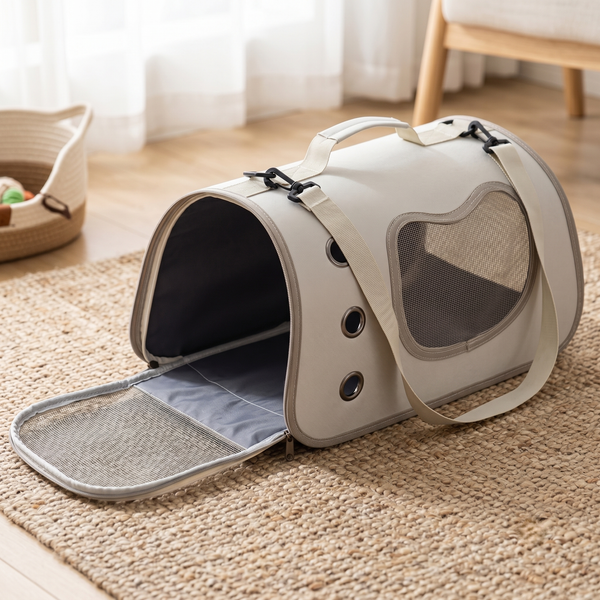
| Cat carrier | Safe transport for collection, vet visits, and emergencies; top-opening carriers reduce stress | Essential — Day 1 |
| Scratching post or ball | Redirects scratching from furniture; establishes good habits early before scratching patterns form | Essential — Day 1 |
| Cat bed or hiding spot | Warm, enclosed space for sleeping and retreating when overwhelmed — critical for the first week | Essential — Day 1 |
| Interactive toys | Wand toys, balls, toy mice — kittens need multiple play sessions daily for physical and mental development | Essential — Day 1 |
| Grooming brush | Introduces handling early; prevents matting in medium and long-haired breeds | Important — Week 1 |
| Flea and worm treatment | Kitten-specific formula only — adult treatments are toxic to kittens; check what the breeder has already given | Important — confirm with vet |
| Pet insurance | Cover unexpected vet bills from day one — kittens are accident-prone, and a single emergency can cost £500+ | Important — before collection |
A CozyPaws™ 112cm Cat Tree sits at the top of this list because no other single item fulfils as many kitten needs simultaneously — climbing, scratching, hiding, playing, sleeping, and observing all happen on the same piece of furniture. Kittens who have a cat tree from day one develop healthy scratching habits, build muscle and coordination through climbing, and feel more secure because they can retreat to an elevated perch when the household feels overwhelming. Pair it with a CozyPaws™ Cat Scratching Ball on the floor for a ground-level scratching option that spins and entertains between climbing sessions.
Pro Tip: Buy everything and set it up at least 48 hours before collection day. Walk through every room as if you were a kitten — get down on the floor and look for gaps, cables, and small objects at kitten eye level. You'll spot hazards standing up that you'd never notice from above.
Room-by-Room Kitten-Proofing: Every Hazard, Every Fix
Cats Protection advises kitten-proofing every room your kitten will access — and being honest about which rooms you can genuinely keep closed at all times. If a door might be left open even once, that room needs proofing. Kittens are faster, smaller, and more determined than you expect, and they will exploit every gap, every open door, and every moment of distraction.
| Room | Key Hazards | Action Required |
|---|---|---|
| Kitchen | Cleaning products under the sink, dishwasher tablets, rubbish bin, hot hob and oven surfaces, gaps behind fridge and washing machine, food left on counters | Fit child-locks on cupboards, secure bin with a lid, block gaps behind appliances, never leave hob unattended, store all chemicals in locked cupboards |
| Bathroom | Open toilet (drowning risk for small kittens), medicines in open cabinets, hair ties and elastic bands, razors, bath products, trailing shower cables | Keep toilet lid closed at all times, lock medicine cabinet, clear all small items from surfaces, keep bathroom door closed when unsupervised |
| Living Room | Trailing electrical cables (chewing = electrocution), candles, open fireplace, blind cords (strangulation risk), small decorative items, toxic houseplants | Hide or cover cables with cable protectors, never burn candles unsupervised, fit a fireguard, replace blind cords with wand controls, remove breakable ornaments and toxic plants |
| Bedroom | Open drawers (kittens climb in and get trapped), small items on bedside tables, jewellery, medication, open windows | Keep drawers closed, clear surfaces, store jewellery in closed boxes, fit window restrictors to prevent falls |
| Home Office | Cables behind desks, paper shredder, staples, rubber bands, USB drives, warm laptop keyboards | Bundle and cover cables, unplug shredder when not in use, clear small items, close laptop when away |
| Garden / Balcony | Escape routes, toxic plants, garden chemicals (slug pellets, weedkiller), ponds, sheds with antifreeze, neighbouring cats | No garden access until fully vaccinated (12–13 weeks minimum); fit balcony netting; remove all toxic plants; lock away chemicals; fence any ponds |
The most commonly overlooked hazards are trailing cables and small elastic items. Kittens chew cables because the texture feels satisfying on emerging adult teeth — a single bite through a live cable can cause fatal electrocution or severe mouth burns. Hair ties, elastic bands, and string are equally dangerous: if swallowed, they can cause a linear foreign body obstruction in the intestine that requires emergency surgery. Collect every hair tie, rubber band, and piece of string in your home and store them in sealed containers before your kitten arrives.
Window safety deserves special attention. Kittens have no fear of heights and will jump at open windows without hesitation. Fit window restrictors that allow ventilation but prevent a kitten from squeezing through — they can fit through gaps as narrow as 5cm. Upper-floor windows without restrictors are one of the leading causes of kitten injury in UK flats.
Setting Up the Sanctuary Room: Your Kitten's Safe Base
The Blue Cross strongly recommends confining your new kitten to a single room for the first few days rather than giving them access to the entire house. This room — often called a sanctuary room or base camp — provides a manageable space where your kitten can learn the location of food, water, and litter without the overwhelming sensory overload of an entire unfamiliar home.
Choosing the Right Room
- A spare bedroom, study, or quiet room away from the main household traffic
- Must have a door that closes securely — no open-plan rooms
- Warm, draught-free, and away from external doors and windows that might be opened
- Large enough for food, water, litter, bed, and play area with adequate separation between them
- No heavy furniture the kitten could get trapped behind
What Goes in the Sanctuary Room
- Litter tray — positioned in the corner furthest from food and water
- Food and water bowls — opposite side of the room from the litter tray, placed apart from each other
- Cat tree or climbing structure — gives the kitten height and a secure observation point
- Enclosed hiding spot — a CozyPaws™ Cat Tunnel Bed provides a felt cave that kittens instinctively curl up in when they need to feel safe and hidden
- Scratching post — establishes the scratching habit from the first day
- Toys — a few quiet toys for independent play; save wand toys for supervised sessions
- A familiar-smelling item — ask the breeder or rescue centre for a blanket or towel that carries the scent of the kitten's mother and littermates
Hiding is completely normal for a new kitten and should never be discouraged. A kitten that hides under the bed or inside a cat tunnel for the first 24 hours is processing an enormous amount of new information — new smells, new sounds, new surfaces, and the absence of their mother and siblings. Let them come out on their own terms. If you're concerned about prolonged hiding beyond the first week, our guide to why cats hide explains the difference between normal settling behaviour and signs of deeper anxiety that may need intervention.
Pro Tip: Spend time sitting quietly in the sanctuary room without trying to interact — read a book, work on your laptop, or just sit on the floor. Your kitten will learn that your presence means safety, not stress. Most kittens begin approaching within 12–24 hours when they associate you with calm, quiet energy rather than being chased or picked up.
Essential Cat Furniture: Where to Place It and Why It Matters
Cats Protection emphasises that cats are three-dimensional animals — they use vertical space as actively as floor space, and a home without vertical territory can leave a cat feeling exposed, anxious, and understimulated. The four essential pieces of cat furniture serve distinct purposes that no amount of floor-level toys can replace.
1. Cat Tree — The Non-Negotiable
A cat tree is the single most important piece of cat furniture you will buy. It provides vertical territory for climbing and observation, sisal-wrapped posts for healthy scratching, enclosed spaces for hiding and sleeping, and elevated platforms for surveying the room — all in one structure. Kittens who grow up with a cat tree develop stronger muscles, better coordination, healthier claws, and more confident personalities than those without access to vertical space.
The CozyPaws™ 112cm Cat Tree is specifically designed for this: five levels of climbing at a height that challenges kittens without being dangerously tall, three natural sisal scratching posts thick enough (7–8cm) to withstand daily use, a detachable condo that serves as a private den, built-in pom-pom and sisal rope toys for independent play, and a reinforced 40×40cm base with tilt-protection wall strap that keeps the whole structure stable even during the most enthusiastic kitten climbing sessions. For our complete guide to choosing the right size, placement strategies, and how to encourage a reluctant cat to use their tree, see the full cat tree guide.
2. Scratching Surfaces — Furniture Protection Starts Day One
Kittens begin scratching at around eight weeks — the exact age most kittens arrive in their new homes. If a scratching surface isn't available from day one, the kitten will use whatever is available: sofa corners, door frames, carpet edges, and curtains. Once a scratching habit forms on furniture, redirecting it becomes significantly harder. Place scratching posts near the areas your kitten sleeps and plays — cats instinctively stretch and scratch after waking. A standalone CozyPaws™ Cat Scratching Ball combines sisal scratching with a spinning mechanism that turns claw maintenance into a game. For a deeper look at how scratching behaviour works, see our complete guide to natural claw care and furniture protection.
3. Beds and Hiding Spots
Kittens sleep 18–20 hours per day, and where they sleep matters. Provide at least one enclosed bed or cave-style sleeping spot in addition to the cat tree condo — kittens feel most secure when surrounded on all sides. Place the bed in a quiet, warm corner away from draughts and household traffic.
4. Window Perch
Cats are visual hunters, and watching outdoor activity through a window provides hours of mental stimulation with zero physical risk. A CozyPaws™ Cat Window Hammock mounted on a sunny window gives your kitten a warm, elevated observation point that satisfies their instinct to survey territory. Place it on a window facing a garden, bird feeder, or street with foot traffic for maximum enrichment.
| Furniture | Best Location | Why This Spot |
|---|---|---|
| Cat tree | Near a window in the main living area, against a solid wall | Combines window watching with family observation; wall provides stability and security from behind |
| Scratching post | Next to sleeping area and near the sofa | Cats scratch after waking (habit formation) and near furniture they might otherwise target (redirection) |
| Cat bed / cave | Quiet corner, away from doors and foot traffic, slightly elevated if possible | Reduces disturbance during sleep; elevation adds security |
| Window perch | South or west-facing window for afternoon sun, overlooking garden or activity | Warmth from sun + visual stimulation = peak cat enrichment |
Litter Tray Setup: Location, Type & Early Training
Woodgreen advises that litter tray problems are the number one reason cats are surrendered to shelters in the UK — and the vast majority of these problems begin with incorrect setup in the first weeks at home. Get the location, type, and routine right from day one and you'll avoid the most common behavioural issue in domestic cats.
The Golden Rules
- One tray per cat, plus one extra — even for a single kitten, two trays give options and reduce accidents
- Away from food and water — cats won't toilet near where they eat; minimum 1 metre separation
- Quiet, accessible location — avoid high-traffic areas, near washing machines, or next to loud appliances
- Open tray for kittens — covered trays trap odours and can intimidate small kittens; switch to covered only once they're confident
- Low-sided entry — kittens under 12 weeks may struggle to climb into trays with high sides
- Fill 3–5cm deep — deep enough to dig and cover, shallow enough that tiny paws aren't buried
- Same litter as breeder — ask what the kitten was using and match it; change gradually over 7–10 days if you prefer a different type
Litter Types Compared
- Clumping clay — easy to scoop, controls odour well, most cats prefer it; heavier to carry and dispose of
- Non-clumping clay — cheaper but needs full replacement more often; absorbs rather than clumps
- Wood pellet — lightweight, biodegradable, good odour control; some kittens dislike the texture initially
- Paper-based — softest option, often recommended after neutering surgery; low odour control
Scoop solids at least once daily — twice is better. Full litter replacement and tray cleaning should happen weekly at minimum. A dirty tray is the fastest way to teach a kitten to toilet on your carpet instead.
Feeding Station Design: Bowls, Schedule & Placement Rules
International Cat Care recommends careful thought about feeding station placement — cats have specific preferences about where they eat and drink, and getting these wrong can lead to reduced food intake, dehydration, or stress-related eating problems.
Placement Rules
- Food away from water — cats instinctively avoid drinking near food sources (in the wild, water near a kill may be contaminated); place bowls at least 1 metre apart
- Both away from litter tray — no cat will eat next to where they toilet; different room or opposite wall minimum
- Quiet, low-traffic area — kittens feel vulnerable while eating; avoid placing bowls in hallways, near doors, or in busy kitchen zones
- Ceramic or stainless steel bowls — never plastic, which harbours bacteria in scratches and can cause feline chin acne
- Shallow, wide bowls — deep bowls push against a cat's whiskers (whisker fatigue), causing discomfort and food refusal
Feeding Schedule by Age
- 8–12 weeks: 4 meals per day — small portions of kitten-specific wet and dry food
- 3–6 months: 3 meals per day — portions increase as the kitten grows
- 6–12 months: 2 meals per day — transition toward adult feeding pattern
- 12 months+: 2 meals per day of adult cat food (switch gradually over 7 days)
Always provide fresh water in at least two locations. Many cats prefer running water — if your kitten consistently ignores still water but drinks from a dripping tap, a pet water fountain may encourage better hydration.
Give Your Kitten the Perfect Start — Shop the Cat Tree →
Toxic Plants & Hidden Household Dangers
Cats Protection maintains a comprehensive list of plants toxic to cats, and the list is far longer than most owners expect. Kittens are particularly at risk because they explore the world with their mouths — chewing, biting, and tasting things that adult cats would ignore. A single chewed lily leaf can cause fatal kidney failure in a kitten within 24–72 hours.
The Most Dangerous Plants for Kittens
- Lilies (Lilium and Hemerocallis species) — the most lethal; all parts including pollen and water from the vase are toxic; causes acute kidney failure; often fatal even with treatment
- Daffodils — bulb, stem, and flower contain lycorine; causes vomiting, diarrhoea, and cardiac arrhythmia
- Tulips — concentrated toxins in the bulb; causes oral irritation, drooling, and gastrointestinal distress
- Azaleas and rhododendrons — even small amounts cause vomiting, weakness, and potentially fatal heart rhythm changes
- Poinsettias — mildly toxic; causes mouth and stomach irritation but rarely fatal
- Ivy (Hedera species) — causes drooling, vomiting, diarrhoea, and abdominal pain
- Aloe vera — causes vomiting, lethargy, and diarrhoea; popular houseplant many owners don't suspect
- Snake plant (Sansevieria) — causes nausea, vomiting, and diarrhoea if chewed
Household Chemicals and Foods
- Antifreeze (ethylene glycol) — tastes sweet, attracts cats, causes fatal kidney failure; even a licked puddle can be lethal
- Essential oils — many are toxic to cats including tea tree, eucalyptus, peppermint, citrus, and lavender; never use oil diffusers in rooms your kitten accesses
- Paracetamol and ibuprofen — both lethal to cats at doses safe for humans; a single paracetamol tablet can kill a kitten
- Chocolate, onions, garlic, grapes, raisins — all toxic to cats; keep food stored securely
- Slug pellets (metaldehyde) — one of the most common causes of cat poisoning in UK gardens
Small Objects That Require Emergency Surgery
- Hair ties and elastic bands — the single most commonly ingested foreign body in kittens
- String, ribbon, tinsel, and dental floss — cause linear foreign body obstruction
- Sewing needles and pins — can perforate the intestine
- Small toy parts, buttons, and earbuds
- Rubber bands and silicone wristbands
Pro Tip: Walk through every room with the Cats Protection toxic plants list before your kitten arrives. Remove or relocate every plant on the list — don't just move them to a high shelf, because kittens climb. If you're unsure about a specific plant, err on the side of removing it. A cat-safe alternative like a spider plant, Boston fern, or cat grass provides the greenery you want without the risk.
The First 48 Hours: What to Expect and How to Help Your Kitten Settle
Battersea advises that the first 48 hours set the tone for your kitten's entire relationship with your home — rush this period and you may create anxiety patterns that last months; handle it patiently and your kitten will bond faster, explore more confidently, and settle into routines within the first week.
Day 1: Arrival
- Collect your kitten in a secure, padded carrier with a familiar-smelling blanket inside
- Drive home calmly — no music, no sudden stops, no passing the carrier around
- Go directly to the sanctuary room — do not introduce the kitten to the whole house
- Open the carrier door and let the kitten come out in their own time — never tip them out
- Show them the litter tray by gently placing them near it (not in it)
- Sit quietly in the room for 15–20 minutes, then leave them to explore alone
- Keep other pets and children out of the room completely
- Offer food in a shallow dish — don't worry if they don't eat immediately; stress suppresses appetite
Night 1
- Keep the kitten in the sanctuary room overnight — do not move them to your bedroom
- Leave a night light on or the curtains slightly open so the room isn't pitch black
- Place the familiar-smelling blanket in their bed
- Expect some crying or meowing — this is normal; the kitten is calling for their mother and siblings
- Resist the urge to go in every time they cry — brief comfort visits are fine, but sleeping in the room creates dependency
- Ensure the room is warm — kittens cannot regulate body temperature as efficiently as adult cats
Day 2: First Exploration
- If the kitten seems confident — eating, using the litter tray, approaching you — introduce one additional room
- Leave the sanctuary room door open and let them explore at their own pace
- Supervise closely — stay in the same room and watch for hazards you may have missed
- Return the kitten to the sanctuary room for meals, litter, and sleep
- Begin short, gentle handling sessions — pick them up, hold for 30 seconds, put them down before they struggle
By day two, most kittens will have discovered their CozyPaws™ 112cm Cat Tree and started climbing to the lower platforms. The dangling pom-pom toy and sisal rope catch their attention first, then curiosity draws them upward. The enclosed condo at mid-level becomes a favourite retreat — it provides the enclosed, elevated security that kittens instinctively seek. Don't worry if your kitten only uses the lower levels initially; they'll climb higher as their confidence and coordination develop over the first few weeks.
Kitten Socialisation: Building Confidence in the Critical Window
Cats Protection identifies the socialisation period — between two and seven weeks of age — as the most critical development window in a cat's life. Most of this window closes before your kitten arrives at eight weeks, but the experiences you provide between 8 and 16 weeks still have a significant impact on your kitten's adult temperament, confidence, and ability to cope with everyday life.
What Your Kitten Should Experience Between 8–16 Weeks
- People: Men, women, children, elderly visitors, people wearing hats, uniforms, glasses — at least 4–5 different people in the first month
- Handling: Being picked up, held, having paws touched, ears examined, mouth gently opened — preparation for vet visits and grooming
- Sounds: Vacuum cleaner (at a distance first), television, doorbell, washing machine, music, children playing
- Surfaces: Carpet, tiles, wood, grass (after vaccination), different textures under their paws
- Objects: Cat carrier (left open as a bed, not just for vet trips), grooming brush, toys of different shapes and textures
- Experiences: Short car journeys (in carrier), brief periods alone (building independence), different rooms in the house
How to Socialise Safely
- Always positive: Every new experience should be paired with treats, gentle praise, or play — never force a kitten toward something that frightens them
- Never flood: Introduce one new experience per session, not five at once
- Read body language: Flattened ears, dilated pupils, hissing, or hiding means stop — the kitten has had enough
- Short sessions: 5–10 minutes of socialisation is more effective than 30 minutes that ends in stress
- Safe retreat always available: The cat tree condo, a tunnel bed, or a cardboard box should always be within reach so the kitten can withdraw when overwhelmed
Socialisation doesn't end at 16 weeks — it forms the foundation for lifelong enrichment. As your kitten grows into an adult cat, maintaining mental stimulation through climbing, play, puzzle feeding, and environmental variety prevents the boredom and behavioural problems that affect many indoor cats. For a comprehensive approach to keeping your indoor cat mentally stimulated throughout their life, our complete guide to indoor cat enrichment covers everything from environmental design to interactive play strategies.
Vaccinations, Microchipping & Your First Vet Visit
The PDSA recommends registering with a vet and booking your kitten's first health check before you collect them — ideally within the first 48 hours of arrival, or within the first week at the very latest. This initial visit establishes a health baseline, catches any issues the breeder or rescue may have missed, and starts your kitten on the vaccination and preventative care schedule that protects them through their most vulnerable months.
| Age | Health Milestone | Action Required |
|---|---|---|
| 8–9 weeks | First vaccination | Core vaccines: cat flu (feline herpesvirus + calicivirus) and feline parvovirus (panleukopenia). First vet health check. |
| 12 weeks | Second vaccination | Booster of core vaccines plus feline leukaemia (FeLV) vaccine if the kitten will go outdoors or live with outdoor cats |
| 12–13 weeks | Outdoor access (earliest) | One week after second vaccination — supervised garden access only; no free roaming until neutered |
| By 20 weeks | Microchipping (UK law) | Since June 2024, all cats in England must be microchipped by 20 weeks old — £25–35 at most vets; check if already done by breeder |
| 4 months (16 weeks) | Neutering eligibility | Recommended from 4 months to prevent unwanted litters, reduce roaming behaviour, and lower risk of certain cancers and FIV |
| 12 months | First annual booster | Booster vaccinations to maintain immunity; annual vet health check |
| Ongoing | Parasite prevention | Monthly flea treatment and quarterly worming — kitten-specific products only until 6 months |
What to Bring to the First Vet Visit
- Any paperwork from the breeder or rescue — vaccination records, microchip details, parentage certificates
- A note of what food and litter the kitten is currently eating/using
- Any questions about flea treatment, worming, neutering, diet, or insurance
- The kitten in a secure carrier with a familiar blanket — never carry a kitten loose in the car
Budget £200–350 for the first year of veterinary care — this covers two rounds of vaccinations, microchipping (if not done), neutering, and basic parasite prevention. Pet insurance typically costs £10–25 per month for a kitten and covers unexpected illness and injury that could otherwise cost thousands.
Frequently Asked Questions
What do I need to buy before getting a kitten UK?
Essential items include a cat tree for climbing and scratching, a litter tray with kitten-safe litter, food and water bowls (ceramic or stainless steel), kitten-specific wet and dry food matching what the breeder used, a secure cat carrier, scratching posts, an enclosed bed or hiding spot, interactive toys, and a grooming brush. Have everything set up at least 48 hours before your kitten arrives so you can spot any hazards in advance.
How do I kitten-proof my home?
Go room by room: secure all cables with cable covers or hide them behind furniture, lock away cleaning products and medicines, remove toxic plants (especially lilies), fit window restrictors, block gaps behind large appliances, remove small objects like hair ties and elastic bands, keep toilet lids closed, and fit child-locks on cupboards containing hazardous items. Get down on the floor at kitten level to spot dangers you'd miss from standing height.
What room should a kitten sleep in on the first night?
Your kitten should sleep in their sanctuary room — a small, quiet, kitten-proofed room set up with everything they need: litter tray, food, water, bed, and hiding spot. Do not move them to your bedroom on the first night, as this creates dependency and makes it harder to establish independent sleeping habits later. Leave a dim light on and a familiar-scented blanket in their bed.
How long should I keep a new kitten in one room?
Most kittens are ready to explore a second room by day two or three if they're eating well, using the litter tray, and approaching you confidently. Gradually introduce one room at a time over 5–7 days, always returning to the sanctuary room for meals and overnight sleep. Some timid kittens may need 10–14 days before they're comfortable exploring the full house. Let your kitten set the pace — never force exploration.
Do kittens need a cat tree?
Yes — a cat tree is the single most beneficial piece of furniture for a kitten. It provides essential vertical territory for climbing and observation, sisal posts for healthy scratching (protecting your furniture), enclosed spaces for hiding and security, and platforms for exercise. Kittens who grow up with a cat tree develop better coordination, stronger muscles, healthier claws, and more confident personalities. A 112cm tree is ideal for kittens — tall enough to challenge them without being dangerously high.
What plants are toxic to kittens?
The most dangerous plants include lilies (all species — lethal even in small amounts), daffodils, tulips, azaleas, rhododendrons, ivy, aloe vera, snake plants, and poinsettias. Essential oils diffused in the air are also toxic to cats — particularly tea tree, eucalyptus, peppermint, and citrus oils. Remove all toxic plants before your kitten arrives and check the Cats Protection toxic plants list for a complete directory.
When should I take my kitten to the vet for the first time?
Ideally within 48 hours of bringing them home, or within the first week at the latest. The first visit establishes a health baseline, confirms vaccination records, and begins any outstanding vaccinations. Bring all paperwork from the breeder or rescue, ask about flea and worm treatment, and discuss neutering, microchipping, and insurance. Register with a vet before your kitten arrives so you can book a same-week appointment.
How much does it cost to set up for a new kitten UK?
Initial setup costs typically range from £200 to £450, covering cat tree (£50–70), litter tray and litter (£15–30), food bowls and kitten food (£20–40), carrier (£20–40), scratching posts (£10–25), bed (£15–30), toys (£10–20), and first vet visit with vaccinations (£60–120). Add £10–25 per month for pet insurance. First-year total including neutering, microchipping, and ongoing care averages £500–800.
Can I leave a kitten alone during the day?
Kittens under 16 weeks should not be left alone for more than 4 hours. From 4 to 6 months, you can gradually extend to 5–6 hours. Adult cats (12 months+) can typically manage 8–10 hours if they have food, water, a clean litter tray, and adequate enrichment. A cat tree, window perch, puzzle toys, and scratching surfaces help prevent boredom and destructive behaviour during your absence. If you work full-time, consider adopting two kittens — they keep each other company.
How do I introduce a kitten to other pets?
Never introduce a kitten to existing pets on the first day. Keep them in separate rooms for at least 3–5 days, allowing scent exchange through closed doors and shared blankets. Swap bedding between animals so they learn each other's scent before meeting. First visual introductions should be brief, supervised, and through a baby gate or cracked door. Full supervised interaction comes only when both animals are calm during visual contact. The full introduction process typically takes 1–3 weeks for cats, longer if an existing cat shows aggression.
Ready to Give Your Kitten the Best Possible Start?
Say goodbye to:
- ❌ A kitten scratching furniture because there's no alternative
- ❌ An anxious kitten with nowhere to climb, hide, or observe
- ❌ Flimsy cat trees that wobble, tip, and don't survive the first month
- ❌ A flat, unstimulating environment that leads to boredom and behaviour problems
- ❌ Regretting that you didn't set things up properly before your kitten arrived
Say hello to:
- ✅ Five levels of climbing, scratching, hiding, and playing in one structure
- ✅ Three thick sisal scratching posts that redirect claws away from furniture on day one
- ✅ A detachable condo that becomes your kitten's favourite hideaway
- ✅ A reinforced base with wall strap that stays stable through the wildest climbing sessions
- ✅ A confident, well-adjusted kitten that has everything they need from the moment they arrive
The CozyPaws™ 112cm Cat Tree
Features:
- 5-level multi-platform design — 112cm of vertical territory
- 3 natural sisal scratching posts — 7–8cm diameter for serious scratching
- Detachable enclosed condo — private den for hiding and sleeping
- Built-in pom-pom and sisal rope toys — independent play without batteries
- Reinforced 3cm base with tilt-protection wall strap — stable even with enthusiastic climbers
- Compact 40×40cm footprint — fits flats and small rooms
- Soft plush-covered platforms — comfortable for napping at every level
- 30-day money-back guarantee
Shop the 112cm Cat Tree — Free UK Delivery →
Questions about preparing your home for a kitten or choosing the right cat tree? Contact our pet care team at support@thecozypaws.co.uk or leave a comment below.